Pollution and skin: what city air does, and a routine that makes sense
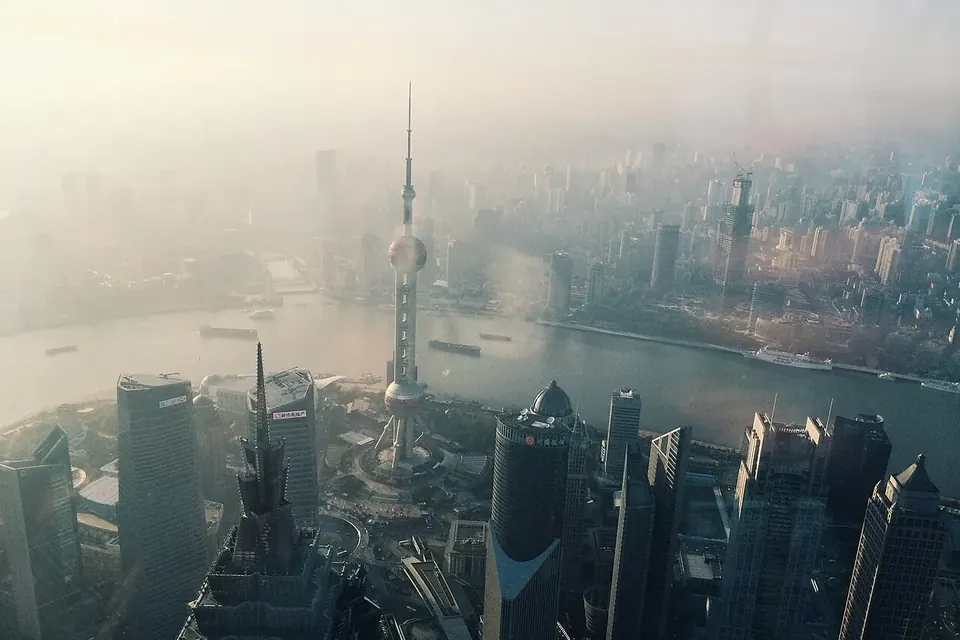
Moving to a big city changes more than humidity. Skin meets traffic exhaust, fine particles, ozone on hot days and, in parts of Southeast Asia, seasonal haze from fires. Dermatology research on pollution is younger than research on UV, but it is growing, and it points to a few clear, unglamorous habits rather than to special products.
- The World Health Organization estimates that almost the entire world population breathes air that exceeds its air-quality guideline limits.
- Studies associate traffic-related particles with more pigment spots and other signs of skin aging, and pollution with flares of eczema and possibly acne.
- Pollution and UV seem to amplify each other's effects on skin. Sunscreen is part of city protection.
- "Anti-pollution" has no standard definition. Thorough evening cleansing, a good moisturizer and daily sunscreen cover most of what is known to matter.
What is in polluted air
- Particulate matter (PM10, PM2.5 and smaller): tiny solid and liquid particles from traffic, industry, construction, cooking and burning. Traffic soot carries polycyclic aromatic hydrocarbons (PAHs).
- Gases: nitrogen dioxide from traffic, sulphur dioxide, and ozone, which forms near the ground on hot, sunny days from other pollutants.
- Seasonal haze: smoke from forest and peat fires can affect large parts of Southeast Asia in some years.
- Indoor pollution: cooking smoke, tobacco smoke, incense and candles add to exposure at home.
What the research shows
Pigment spots and skin aging
The best-known study, by Vierkötter and colleagues (Journal of Investigative Dermatology, 2010), examined 400 women aged 70 to 80 in Germany. Higher exposure to traffic-related particles and soot at home was associated with about 20% more pigment spots on the forehead and cheeks; the link with wrinkles was weaker. Background particle levels, measured away from busy roads, were also associated with pigment spots. Later studies elsewhere, including in China, reported associations for other pollutants such as nitrogen dioxide. These are observational studies: they show links, adjusted for factors such as smoking and sun exposure, but cannot prove cause on their own.
How it might work
A 2014 review by Krutmann and colleagues in the Journal of Dermatological Science summarized mechanisms seen in laboratory and human studies: PAHs from soot can activate the aryl hydrocarbon receptor in skin cells, which is involved in pigment production and in the breakdown of collagen; ozone and particles generate oxidative stress at the skin surface, depleting the skin's own antioxidants such as vitamin E; and pollutants can disturb the barrier and promote inflammation.
Eczema and acne
Several studies have linked days or areas of higher pollution to more eczema symptoms and clinic visits, and some to acne flares. The evidence is less consistent than for pigmentation, but it fits with what is known about barrier disruption and inflammation.
| Pollutant | Main sources | Associations studied |
|---|---|---|
| Traffic particles and soot (with PAHs) | Diesel and petrol vehicles | Pigment spots, wrinkles |
| Fine particles (PM2.5) | Traffic, industry, burning, haze | Barrier disruption, eczema flares |
| Nitrogen dioxide | Traffic | Pigment spots (in some studies) |
| Ozone | Forms in sunlight from other pollutants | Oxidative stress, loss of skin antioxidants |
| Tobacco smoke | Smoking, second-hand smoke | Premature skin aging (well established) |
Pollution and UV together
Many cities with high pollution are also sunny, and the two exposures happen at the same time. Laboratory work suggests that some pollutants become more damaging when exposed to UV, and that UV and pollution both drive oxidative stress and pigmentation. For practical purposes, that means a city routine without sunscreen is incomplete, whatever else it contains.
A sensible city routine
- Cleanse thoroughly in the evening. Removing particles, sunscreen and sebum is the most direct step. A gentle cleanser, or a cleansing oil followed by a gentle cleanser if you wear water-resistant sunscreen. Don't scrub; a damaged barrier lets more in.
- Support the barrier. A moisturizer with humectants, emollients and barrier lipids helps keep particles and irritants out.
- Consider a morning antioxidant. Vitamin C or vitamin E serums are reasonable under sunscreen; evidence specific to pollution is mainly from laboratory studies.
- Wear broad-spectrum sunscreen every day, SPF 30 or higher.
- On bad-air days, follow local health advice, limit time near heavy traffic, and keep windows closed during haze.
A rinse or mist after a commute, such as a hypochlorous acid spray, can feel refreshing, but it does not replace cleansing. Hard tap water can make cleansing harsher; see hard water and skin.
Indoor air counts too
People spend most of their time indoors, and indoor air can contain its own pollutants: smoke from cooking, especially frying and grilling without an extractor, tobacco smoke, incense and candles, and dust. Ventilating while cooking, avoiding smoking indoors and, where outdoor air is poor, using an air purifier with a suitable filter reduce what reaches both lungs and skin. During seasonal haze, keeping windows closed and following local health advice matters more than any skincare step.
About "anti-pollution" products
There is no regulatory definition of an anti-pollution cosmetic in the US, the EU or Malaysia, and no standard test. Claims may refer to antioxidants, film-forming polymers that are said to reduce particle adhesion, or simply to cleansing. Judge them like any other product: by the ingredient list, the texture and whether you will use it. A well-made moisturizer and sunscreen you use every day will do more than a "shield" mist you forget.
When moving to a more polluted city
If you relocate to a city with heavier traffic or seasonal haze, expect your routine to need adjusting along with humidity and water. Our guide to moving to a new climate covers the full picture, with a table by climate type.
Sources
- Vierkötter A. et al., "Airborne particle exposure and extrinsic skin aging", Journal of Investigative Dermatology, 2010.
- Krutmann J. et al., "Pollution and skin: from epidemiological and mechanistic studies to clinical implications", Journal of Dermatological Science, 2014.
- Hüls A. et al., "Traffic-related air pollution contributes to development of facial lentigines: further epidemiological evidence from Caucasians and Asians", Journal of Investigative Dermatology, 2016.
- Fuks K.B. et al., "Tropospheric ozone and skin aging: results from two German cohort studies", Environment International, 2019.
- World Health Organization, "Ambient (outdoor) air quality and health" fact sheet, WHO, consulted October 2026.
 Climate and relocation
Moving to a new climate: adapting your skincare
Humidity, UV, water and air change when you move. A climate-by-climate plan for the first months in a new city.
 Climate and relocation
Hard water and skin
Calcium, soap residue and eczema: the studies behind the claims, and simple changes that don't need a plumber.
 Ingredients
SOS Daily Rescue spray and hypochlorous acid
A three-ingredient mist built on hypochlorous acid: what the research supports, and what a spray cannot replace.