Independent · Sourced · No shop
Read the label, not the hype.
Patch Test is an independent guide to American skincare for people who live with it far from America: what ingredients really do, how to build a routine for your skin and your climate, how US, Korean and Malaysian rules differ, and how to buy and store products safely.

Photo: Aaron Burden (Unsplash), via Wikimedia Commons, CC0.
- 01IngredientsAcids, retinoids, niacinamide, peptides, and how to read the label.
- 02Routines by skin typeOily, dry, sensitive, acne-prone, and the tropics.
- 03US and Asian skincareFormulation, regulation and sunscreens compared.
- 04Climate and relocationHumidity, hard water, pollution and heat.

Moving to a new climate: adapting your skincare routine after relocating
Humidity, UV, hard water and city air all change when you move. What to expect in tropical, desert, continental, oceanic and high-altitude cities, and a calm plan for the first three months.
Read the guide →Decoded from the label
Four US products, read line by line
No testing, no ratings: just the published ingredient list, what each part does, and how to use it, with the dermatology sources behind it.
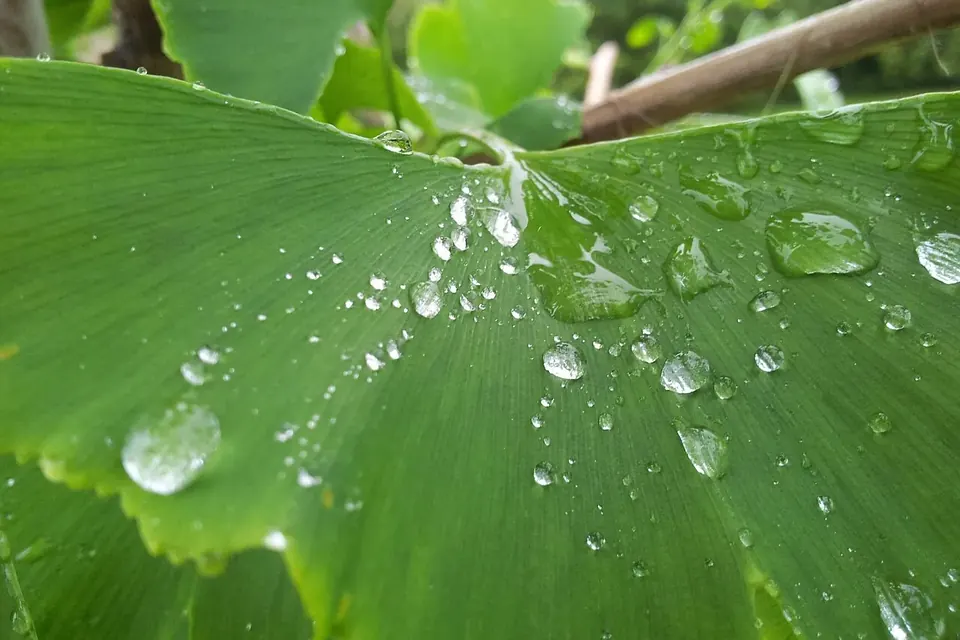 Ingredients
Naturium Quadruple Hyaluronic Acid Serum, decoded
Four molecular weights of hyaluronic acid, read line by line, and how to layer it in a humid climate.
 Ingredients
Peach & Lily Power Cocktail, decoded
A 10% lactic acid serum read from its label: AHA strength, pH, sensitivity and the sunscreen rule.
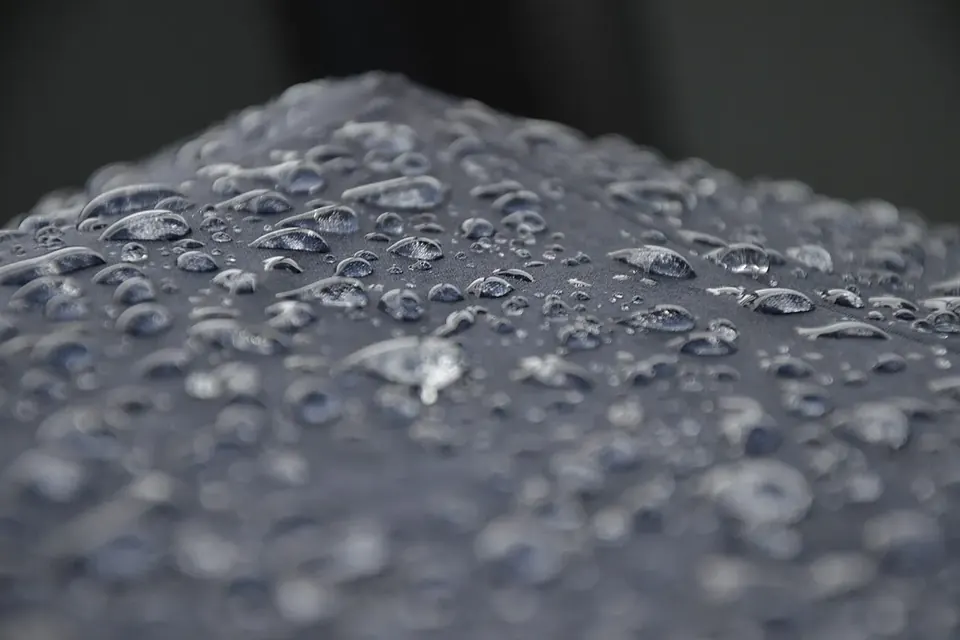 Ingredients
SOS Daily Rescue spray and hypochlorous acid
A three-ingredient mist built on hypochlorous acid: what the research supports, and what a spray cannot replace.
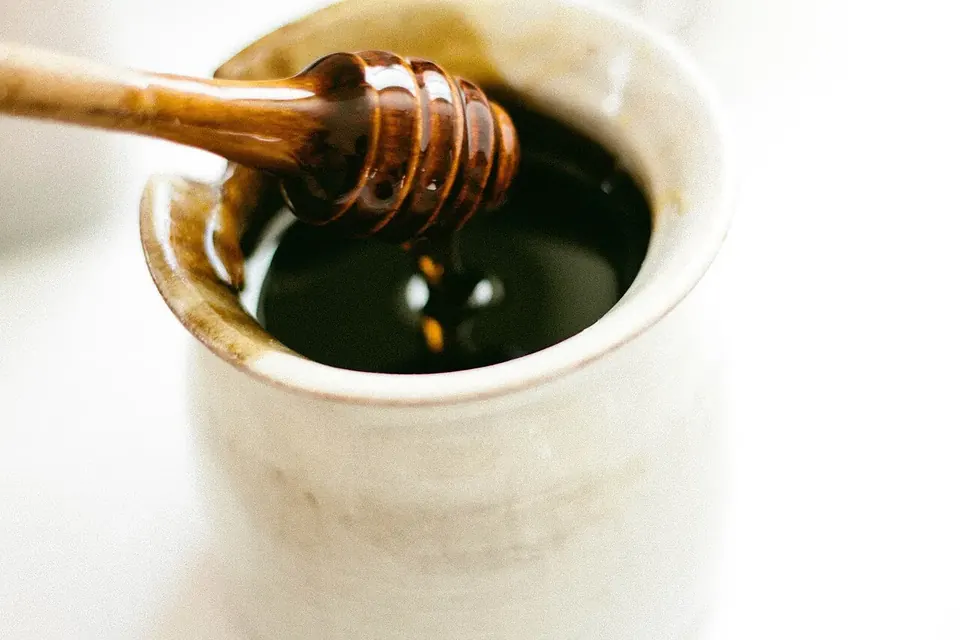 Climate and relocation
Gisou's honey leave-in, decoded
A honey-based leave-in read from its label, and how humectants behave in tropical humidity and dry air.
01 · Ingredients
What actives actually do
Strength, pH, evidence and the combinations that cause most irritation.
All ingredient guides Ingredients
Niacinamide explained
Vitamin B3 in skincare: the trials behind it, sensible concentrations, and the vitamin C myth.
 Ingredients
Retinoids explained
The vitamin A family, from cosmetic retinol to prescription tretinoin, and a slow start that skin can live with.
 Ingredients
How to read an INCI list
Ingredient order, the 1% line, drug facts on US sunscreens, fragrance allergens and the symbols on the back of the box.
02 · Routines by skin type
Three steps, chosen for your skin
Cleanser, moisturizer, sunscreen, then one active at a time.
All routines Routines by skin type
A skincare routine by skin type
Oily, dry, combination, sensitive or normal: a simple test, and a three-step routine for each type.
 Routines by skin type
Oily and acne-prone skin
Benzoyl peroxide, salicylic acid and adapalene, used gently, with a light moisturizer and daily sunscreen.
 Routines by skin type
Skincare in a hot, humid climate
Light textures, sweat-proof sunscreen habits, heat rash and the dry office air nobody expects in the tropics.
On the back of the box
Six label words, decoded
Most of what you need to judge a product is printed in small type. Our guide to reading an INCI list covers the rest.
- INCIThe international naming system for cosmetic ingredients, listed by amount down to the 1% line.
- Broad spectrumUS label for sunscreens whose UVA protection keeps pace with their SPF.
- PA++++The highest Asian rating for UVA protection, measured by skin darkening.
- NoncomedogenicFormulated not to clog pores; a useful filter for oily and acne-prone skin.
- HumectantAn ingredient that binds water, like glycerin or hyaluronic acid.
- 12MThe open-jar symbol: use within 12 months of opening.
03 · US and Asian skincare
Two philosophies, three rulebooks
FDA and MoCRA, Korea's functional cosmetics, Malaysia's NPRA notification, and what they mean for sunscreen.
All comparisons US and Asian skincare
US, European and Asian sunscreens compared
Why a Korean SPF 50+ PA++++ and a US 'broad spectrum SPF 50' are labelled so differently, and what the filters are.
 US and Asian skincare
Cosmetics rules: US, Korea, Malaysia
Who checks a product before sale, what counts as a drug, and what a Malaysian notification number tells you.
 US and Asian skincare
Buying US beauty products from abroad
How to check a reseller, spot a counterfeit, read batch codes, and protect products from heat in transit.
04 · Climate and relocation
Your skin, in a new city
Water, air and heat change more than you expect. The research, and what to do about it.
All climate guides Climate and relocation
Hard water and skin
Calcium, soap residue and eczema: the studies behind the claims, and simple changes that don't need a plumber.
 Climate and relocation
Pollution and skin
Fine particles, traffic soot, ozone and UV: what studies link to skin, and why 'anti-pollution' claims need care.
 Climate and relocation
Storing skincare in heat and humidity
Sunscreen in hot cars, vitamin C turning orange, jars in steamy bathrooms: how to keep products working in the tropics.
How we work
No shop. No reviews. Sources.
Patch Test sells nothing and carries no affiliate links. We do not test products or publish ratings, and we don't invent experiences. Product pages read the ingredient list a brand has published, and explain it using regulators such as the FDA, the European Commission and Malaysia's NPRA, the American Academy of Dermatology and peer-reviewed research, listed at the end of every guide.
Skincare information is not medical advice. If a rash, a mole or a skin condition worries you, see a doctor or dermatologist. More about this publication.