Storing skincare in heat and humidity: what spoils, what to refrigerate, and the signs a product has turned
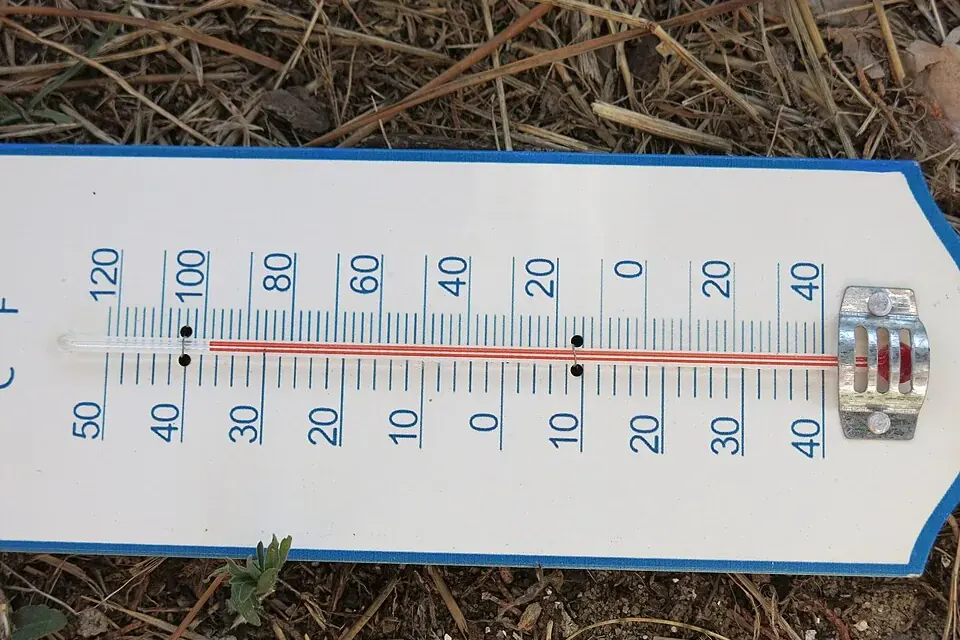
Skincare is tested for stability, but under conditions that are often milder than a car park in Kuala Lumpur at two in the afternoon. Heat speeds up chemical reactions, light breaks down sensitive molecules, air oxidizes them, and warm humid bathrooms are ideal for microbes once a jar is open. A few storage habits keep products working until their date, and help you notice when they have stopped.
- Keep products out of direct sun and away from heat: not in cars, on windowsills or next to a hot shower outlet.
- The most fragile are sunscreens, vitamin C (ascorbic acid), retinoids, hypochlorous acid and products rich in natural oils.
- Respect the expiry date (EXP) and the period after opening symbol (an open jar with "6M", "12M"…).
- Throw out products that change colour, smell or texture, separate, or grow anything visible.
What damages products
| Factor | What it does | Most affected |
|---|---|---|
| Heat | Speeds chemical breakdown; can split emulsions and melt balms and sticks | Sunscreens, vitamin C, retinoids, emulsions, lipsticks |
| Light (UV and sunlight) | Breaks down light-sensitive molecules | Retinoids, some UV filters, vitamin C, essential oils |
| Air (oxygen) | Oxidizes actives and oils; turns them yellow, orange or rancid | Vitamin C, retinol, plant oils, honey-based products |
| Water and humidity | Allows microbes to grow; dilutes preservatives if water gets in | Jars, water-based products, anything with "natural" or minimal preservation |
Product by product
Sunscreens
The FDA advises protecting sunscreen from excessive heat and direct sun, for example by wrapping the container in a towel or keeping it in the shade at the beach, and not using a sunscreen past its expiry date. US sunscreens must carry an expiry date unless stability testing shows they last three years; an undated one should be treated as expired three years after purchase. Heat-damaged sunscreen may separate, become runny or grainy, or smell different. If in doubt, replace it: an under-performing sunscreen gives false confidence.
Vitamin C
Pure ascorbic acid in water oxidizes over time, turning from clear or pale yellow to orange or brown. A darker serum is a less effective serum, and oxidized products can stain skin. Buy small bottles, keep the cap tightly closed, store in a cool, dark place, and finish them within a few months of opening. Vitamin C derivatives such as tetrahexyldecyl ascorbate are more stable.
Retinoids
Retinol and retinal are sensitive to light and air, which is why good products come in opaque, airless pumps or tubes. Keep them closed and away from sun. This is also one reason to apply retinoids in the evening.
Hypochlorous acid
Hypochlorous acid breaks down with heat, light and air; manufacturers stabilize it and use opaque packaging. Keep sprays closed and cool. Our guide to the SOS hypochlorous spray explains why stability matters.
Oils, butters and honey
Plant oils can turn rancid, with a sharp, stale or crayon-like smell. Butters and balms melt and re-set grainy in heat. Products with honey, oils and minimal preservation, such as many hair and lip products, are best kept below about 30 °C. Our guide to a honey leave-in conditioner covers hair products in hot climates.
Jars, pumps and the humid bathroom
- Prefer pumps and tubes to open jars: less air and fewer fingers in the product.
- Use a clean spatula for jars, and never add water to "stretch" a product; it dilutes the preservative.
- Close lids straight away.
- Store spares outside the bathroom, in a cool cupboard.
- Don't share eye and lip products, and replace mascara after a few months.
Should skincare go in the fridge?
For most products, no: they are designed to be stable at room temperature, and cold can thicken or separate some emulsions. A fridge can help with products the manufacturer says to refrigerate, some vitamin C serums, preservative-free products, and in homes without air-conditioning where indoor temperatures stay well above 30 °C. Never freeze cosmetics, and avoid moving products repeatedly between a cold fridge and a hot room, which causes condensation inside the container.
Reading dates
- EXP / expiry date: required on US OTC drugs such as sunscreens and acne treatments (with the three-year exception above).
- Period after opening: the open-jar symbol with a number of months, required in the EU for products lasting more than 30 months; common on products sold worldwide.
- "Best before" hourglass: used in the EU for products with a shorter life.
- Batch code: lets you check the production date with some brands, and is essential when reporting a problem. See buying US beauty products from abroad for authenticity checks.
Travelling with skincare
On trips to hot places, keep sunscreen and sensitive serums in your hand luggage or a bag that stays with you rather than in a car boot or on a sunny beach. Decant only what you need into clean, opaque travel containers, label them, and don't top up old product with new. On the beach, wrap sunscreen in a towel or keep it in the shade, as the FDA advises, and replace a bottle that has spent a whole summer in a beach bag.
Signs a product has turned
- Change of colour (darkening, yellowing, orange vitamin C).
- Change of smell (sour, rancid, "off").
- Separation that doesn't recombine with shaking, or a watery layer.
- Graininess, lumps or a sudden change of thickness.
- Mould, spots or fuzz on the surface or around the rim.
- New stinging or rash from a product you tolerated before.
If you are newly arrived in a hot climate, products that lasted a year at home may not last as long. Our guide to moving to a new climate covers the rest of the adjustment.
Sources
- US Food and Drug Administration, "Sunscreen: How to Help Protect Your Skin from the Sun" (expiration dates and storage), FDA, consulted October 2026.
- US Food and Drug Administration, "Shelf Life and Expiration Dating of Cosmetics", FDA, consulted October 2026.
- Regulation (EC) No 1223/2009 on cosmetic products, Article 19 (date of minimum durability and period after opening), Official Journal of the European Union.
 US and Asian skincare
Buying US beauty products from abroad
How to check a reseller, spot a counterfeit, read batch codes, and protect products from heat in transit.
 Climate and relocation
Gisou's honey leave-in, decoded
A honey-based leave-in read from its label, and how humectants behave in tropical humidity and dry air.
 Climate and relocation
Moving to a new climate: adapting your skincare
Humidity, UV, water and air change when you move. A climate-by-climate plan for the first months in a new city.