Gisou Honey Infused Leave-In Conditioner: humectants, hair type, heat and humidity
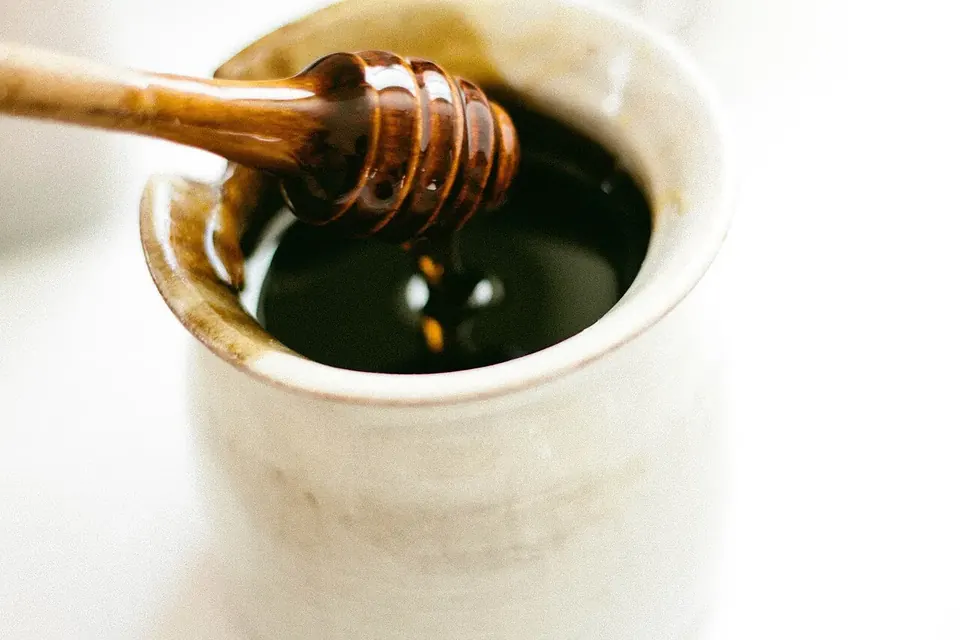
Leave-in conditioners are the hair product most affected by climate. The same spray that tames dry ends in a cold, heated flat can turn into frizz on a monsoon afternoon. Gisou's Honey Infused Leave-In Conditioner is a good case study, because its label combines the three things that decide how a leave-in behaves: conditioning agents, oils and humectants, with honey at the centre. This guide reads the label and explains how to use a product like it in heat and humidity.
- It's a light cream conditioner in spray form: a conditioning agent and fatty alcohol near the top, then baobab and argan oils, honey and panthenol.
- Humectants such as honey and panthenol pull water from the air. In very humid weather that can swell the hair shaft and add frizz to some hair types; in dry air they help, as long as oils seal them in.
- The label declares fragrance and four fragrance allergens (coumarin, hexyl cinnamal, limonene, linalool). Relevant if you react to fragrance, and if you spray near the face.
- No leave-in protects fully against hot tools. Lower heat and less frequent styling matter more.
How this guide was written: no product testing and no reviews. The ingredient list comes from the product as published by the brand and listed by major retailers (accessed October 2026); availability varies by market. The hair-care advice comes from the American Academy of Dermatology and the research listed at the end.
What the label says
- Aqua (Water)
- Behenamidopropyl Dimethylamine
- Cetearyl Alcohol
- Lactic Acid
- Adansonia Digitata (Baobab) Seed Oil
- Argania Spinosa (Argan) Kernel Oil
- Mel (Honey)
- Sodium Benzoate
- Hydroxypropyltrimonium Honey
- Panthenol
- Parfum (Fragrance)
- Hydrolyzed Wheat Protein
- Hydrolyzed Adansonia Digitata Seed Extract
- Benzyl Alcohol
- Saccharomyces ferments (magnesium, iron, zinc, copper, silicon)
- Sorbic Acid
- Potassium Sorbate
- Coumarin
- Hexyl Cinnamal
- Limonene
- Linalool
Violet: conditioning agents and humectants. Amber: fragrance allergens declared on the label.
Reading it in groups
- The conditioner: behenamidopropyl dimethylamine with lactic acid. This is the classic pairing in modern conditioners. In the presence of an acid, the amine becomes positively charged; damaged hair carries a negative charge, so the conditioning agent sticks where hair needs it most, smooths the cuticle and reduces friction when you comb. Lactic acid here is a pH adjuster, not an exfoliant.
- Body and slip: cetearyl alcohol. A fatty alcohol, not a drying alcohol. It thickens the formula and adds softness.
- Oils: baobab and argan. Light plant oils that coat the hair surface, add shine and slow water loss from the shaft.
- Humectants: honey, hydroxypropyltrimonium honey, panthenol. Honey is mostly sugars, which bind water. The "hydroxypropyltrimonium" version is honey that has been chemically given a positive charge so it clings to hair like a conditioner. Panthenol (pro-vitamin B5) is a humectant that also helps hair feel thicker.
- Hydrolyzed wheat protein. Small protein fragments that film the hair surface. People with a wheat allergy, or hair that feels stiff with protein, may prefer to avoid it.
- Preservatives. Sodium benzoate, benzyl alcohol, sorbic acid and potassium sorbate.
Humectants and humidity
Hair is hygroscopic: it absorbs water vapour from the air and swells slightly when humidity rises. Curly and coarse hair, and hair with a damaged, raised cuticle, absorb water unevenly, and that unevenness is what we see as frizz. Humectants amplify the effect of the surrounding air. That gives a simple working rule that hair stylists and cosmetic chemists use, which you can test on your own hair:
| Air | What humectants do | What to adjust |
|---|---|---|
| Hot and very humid (tropical, monsoon) | Draw extra water into the hair; can increase frizz and puffiness | Use less; layer a little oil or a heavier cream on top; let hair dry fully before going out |
| Moderate humidity | Hold moisture comfortably | Use as directed, on damp hair |
| Dry (desert, winter heating, air-conditioning) | Hold the water you apply, but can lose it to dry air if not sealed | Apply on damp hair, seal ends with oil or cream |
The point is not that honey is good or bad for hair, but that the same product can need different amounts in different cities. If you are relocating, our guide to moving to a new climate covers skin and hair together.
Which hair it suits
- Fine or straight hair: mist lightly on the lengths and ends only. The American Academy of Dermatology suggests conditioner on the ends for fine hair, and a light leave-in follows the same logic.
- Dry, curly or coily hair: the AAD advises conditioner on the entire length for dry or curly hair. A spray may be too light on its own; layer a cream or oil over it, especially in dry air.
- Colour-treated or bleached hair: the cationic conditioner helps most on damaged lengths.
- Fragrance-sensitive skin: spray away from the face and hairline, or choose a fragrance-free leave-in. See sensitive skin.
Heat styling
The AAD's advice is short: no matter your hair type, excessive heat damages hair. Limit blow-drying and the use of flat irons and curling irons, use low or medium settings, and use a product that protects hair from heat. A leave-in with oils and conditioning agents reduces friction and can help, but no product makes high heat harmless, and this one is not sold primarily as a heat protectant. In a humid city where people straighten hair daily to fight frizz, cutting frequency is the biggest gain.
Hard water, sweat and swimming
Many people moving to a new city notice their hair changes before their skin does, and blame the water. The research is mixed: a small study by Srinivasan and colleagues (2013) found no difference in hair strength or elasticity after 30 days of soaking in hard versus distilled water, while a later study by Luqman and colleagues (2018) reported lower strength with hard water. Mineral build-up can leave hair duller and harder to detangle, which a conditioner helps with. Our page on hard water and skin goes further. After pool swimming, rinse hair with fresh water before reapplying any leave-in.
How to use it
- Wash and condition as usual, then towel-blot hair until it's damp, not dripping.
- Spray from mid-lengths to ends, a few pumps for fine hair, more for thick hair. Keep away from the scalp if your roots get oily quickly.
- Comb through with a wide-tooth comb, from the ends upwards.
- In high humidity, seal with a drop of oil or a smoothing cream; in dry air, a richer cream on the ends.
- Air-dry or use low heat.
Storing it in a hot climate
Products containing natural oils and honey are best kept below 30 °C and out of direct sun. A bathroom shelf next to a hot shower is fine for daily use; the car dashboard or a sunny window is not. See storing skincare in heat and humidity.
Sources
- Ingredient list as published for Gisou Honey Infused Leave-In Conditioner (brand and retailer listings, accessed October 2026).
- American Academy of Dermatology, Tips for healthy hair.
- Srinivasan G. et al., "Effects of hard water on hair", Int J Trichology 2013;5(3):137–139.
- Luqman M.W. et al., "To evaluate and compare changes in baseline strength of hairs after treating them with deionized water and hard water and its role in hair breakage", Int J Trichology 2018.
- European Commission, Regulation (EU) 2023/1545 on the labelling of fragrance allergens in cosmetic products.
 Routines by skin type
Skincare in a hot, humid climate
Light textures, sweat-proof sunscreen habits, heat rash and the dry office air nobody expects in the tropics.
 Climate and relocation
Hard water and skin
Calcium, soap residue and eczema: the studies behind the claims, and simple changes that don't need a plumber.
 Climate and relocation
Moving to a new climate: adapting your skincare
Humidity, UV, water and air change when you move. A climate-by-climate plan for the first months in a new city.